

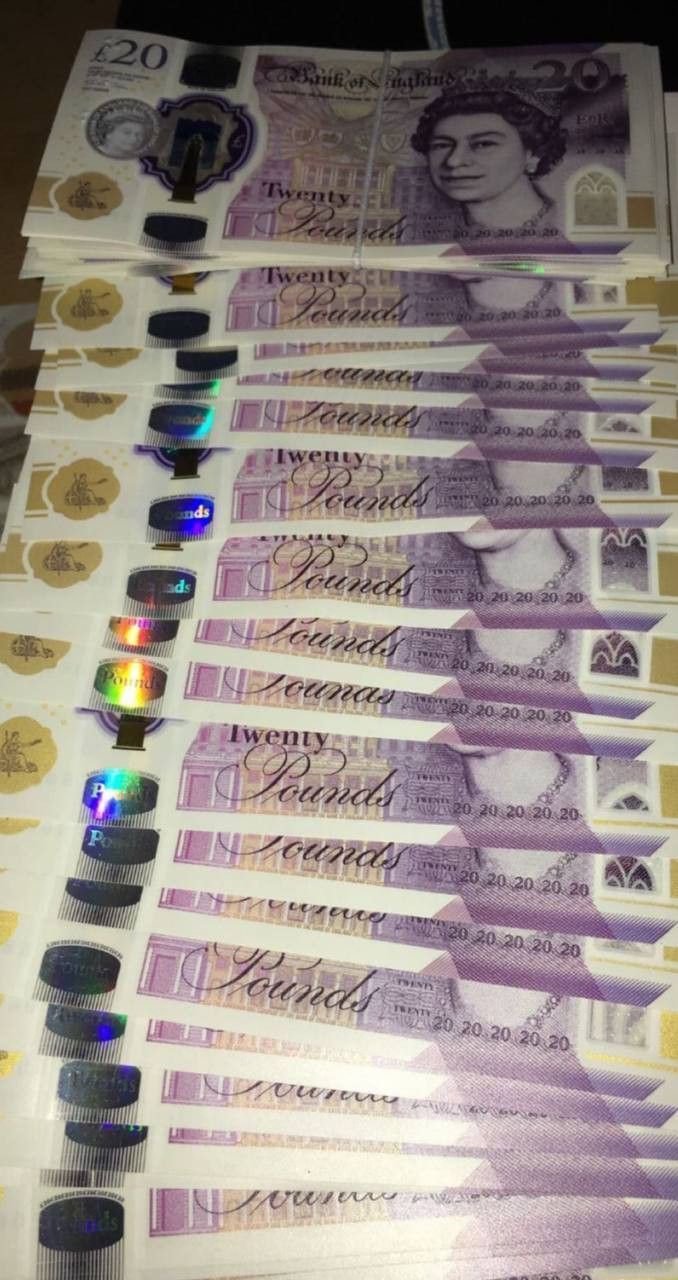
Last month, the UK’s largest mobile esports league announced a prize pool of £250,000 for its flagship tournament. That figure is three times higher than the previous year’s total and dwarfs the £30,000 that most regional competitions offered. The jump shows that mobile titles are no longer a side project; they’re a full‑blown spectator sport.
Why UK Players Are Turning to Smartphones
Three key factors explain the surge. First, the average UK gamer now owns a phone that can run 3D battle royale titles at 60 fps. Second, the cost of entry is low: a £5 tournament entry fee is cheaper than a £15 console subscription. Third, streaming platforms like Twitch and YouTube Gaming have begun dedicating a slot for mobile competitions, giving players instant visibility.
- Over 70 % of UK esports fans say they watch mobile games on YouTube.
- In 2023, mobile esports viewership rose 18 % year‑over‑year.
- More than 40 % of new esports subscribers added a mobile game to their watch list.
What the Competition Looks Like
The most popular titles in the UK circuit are Call of Duty: Mobile, Mobile Legends: Bang Bang, and PUBG Mobile. Each tournament now features a 32‑team bracket, a 12‑hour match window, and a live commentary crew of three. Players report that the new “instant‑replay” feature lets coaches review a kill in 0.5 seconds, a tool that was unheard of in 2021.
One drawback is the latency issue that still plagues some UK servers. Players in Manchester have complained that their ping spikes to 120 ms during peak hours, which can cost them a split‑second advantage. The developers are rolling out a new edge‑server in 2025, but until then, the lag remains a pain point for competitive teams.
From the Field to the Living Room
For many fans, the excitement of watching a live match is just the beginning. After the final whistle, the same players often stream their post‑game analysis, offering insights that regular viewers never see. This crossover has made mobile esports a staple of evening entertainment for a generation that grew up with smartphones as their primary gaming platform.
When I was watching the finals last week, I noticed a sudden spike in traffic to a certain online gaming portal. It turns out that while the match was on, a stream of viewers also checked out a casino site, looking for a quick way to test their luck. If you’re curious about how the world of mobile esports intersects with other online entertainment, you might find the Gamblezen casino UK login an interesting detour.
What’s Next for Mobile Esports?
Governors of the UK esports federation are already negotiating a partnership with a major telecom provider to offer dedicated 5G lanes for competitive play. That could cut ping times to under 30 ms for the first time. Meanwhile, game developers are exploring cross‑platform tournaments that include both mobile and PC titles, promising a more unified competitive scene.
There is, however, a risk that the rapid growth will outpace regulation. In 2024, a draft law proposed a tax on esports winnings, which could reduce prize pools unless the industry lobbies effectively. Players and teams will need to stay informed about these developments to protect their earnings.
Bottom Line
Mobile esports tournaments are no longer a fringe activity. They offer higher prize money, lower entry costs, and instant global reach. The only real hiccup is server latency, which developers are already addressing. As the UK’s mobile scene matures, it will likely become a permanent fixture on the esports calendar, drawing in both seasoned competitors and casual fans alike.
Frequently Asked Questions
What’s driving the rapid growth of mobile esports in the UK?
Increasing smartphone power, widespread 5G coverage, and larger prize pools are making mobile esports more accessible and appealing to players and sponsors.
How big are the prize pools for UK mobile esports tournaments now?
The largest league recently announced a £250,000 prize pool, triple the previous year’s total and far exceeding regional competition payouts.